|
Lancashire Churches
|
|
|||||||||||||||
|
|
||||||||||||||||
|
Find out about the development of church architecture over the centuries |
||||||||||||||||
|
The first Christian churches in England were probably built by the Romans, but remains are elusive. However, many of first Anglo-Saxon churches were clearly based on the Roman basilican form. |
|
|||||||||||||||
|
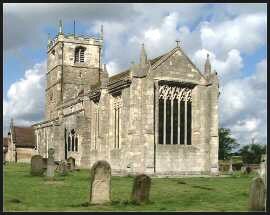
St Helen, Skipwith, E Yorkshire A beautiful and interesting parish church with a Saxon tower and a chancel of c.1300. |
||||||||||||||||
|
|
||||||||||||||||
|
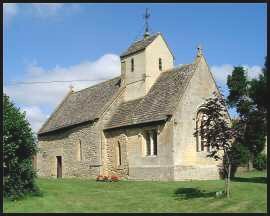
St Mary, Great Washbourne, Gloucs A tiny Norman church of two-cell plan. A narrow doorway/arch separates nave from chancel. |
||||||||||||||||
|
|
||||||||||||||||
|
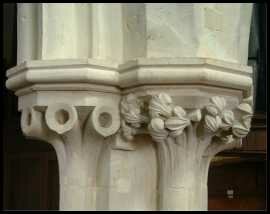
St John, Slimbridge, Gloucs Early English capitals of c.1200. Unusually there are no necking rings below the capitals. |
||||||||||||||||
|
|
||||||||||||||||
|
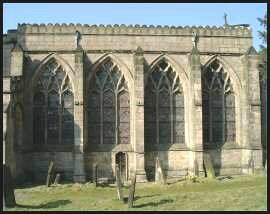
St Mary, Norbury, Derbyshire A Decorated chancel. Small stone flowers ornament the focal point of the tracery. |
||||||||||||||||
|
|
||||||||||||||||
|
St James, Chipping Camden, Gloucs A Perpendicular nave - light, high, with tall slender arcades, here of concave section. |
||||||||||||||||
|
|
||||||||||||||||
|
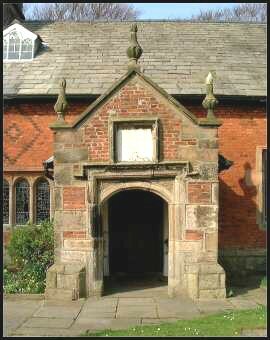
St Michael, Much Hoole, Lancashire A Stuart porch and nave - Renaissance details but still retaining Gothic influences. |
||||||||||||||||
|
|
||||||||||||||||
|
St Mary, Tarleton, Lancashire A Georgian brick church of 1719, with elegant semi-circular headed windows and an apse. |
||||||||||||||||
|
|
||||||||||||||||
|
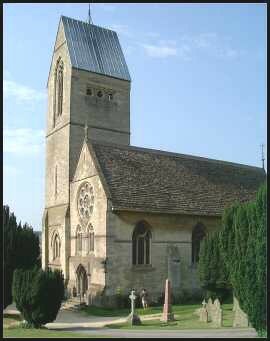
All Saints, Selsey, Gloucs William Bodley's Victorian church is in a French Gothic style. It has fine Pre-Raphaelite windows. |
||||||||||||||||
|
|
||||||||||||||||
|
Photographs and text © Tony Boughen |
||||||||||||||||